

June 16, 2026
New vs Used Shipping Containers: Which Should You Buy?
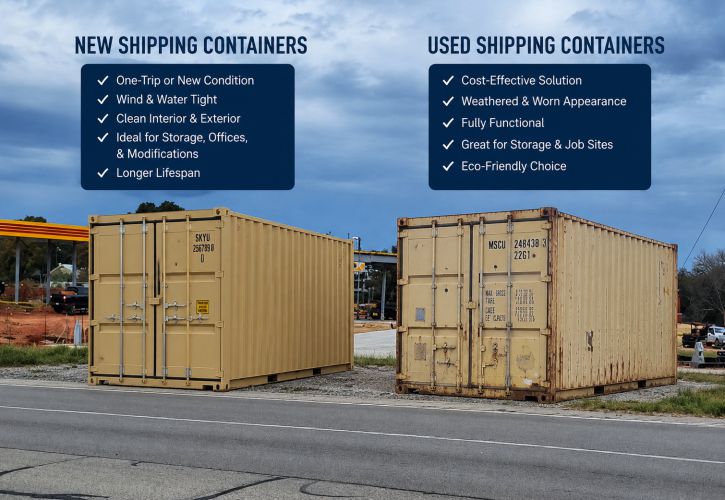
If you are in the market for a shipping container, whether for on-site storage, a portable office, or a long-term facility solution, one of the first decisions you will face is whether to buy new or used. Both options can serve you well. The right choice depends on your budget, how long you plan to use the container, what you will store inside it, and how much condition variability you are willing to accept.
This guide explains exactly what separates new and used storage containers, breaks down the condition grades you will encounter when buying used, walks through what to inspect before purchasing an old shipping container, and gives you a clear cost comparison to make the decision easier.
New vs Used Shipping Container Comparison
| Factor | New Container | Used Container |
|---|---|---|
| Condition | Factory-fresh, no prior use | Previously used in ocean freight |
| Structural Integrity | Perfect | Good to excellent (grade-dependent) |
| Appearance | No dents, rust, or markings | Surface wear, minor dents typical |
| Lifespan from Purchase | 25+ years | 15–25 years (condition-dependent) |
| Customization Suitability | Excellent | Good – minor repairs may be needed |
| Typical 20ft Price | $4,500 – $8,000 | $2,500 – $5,500 |
| Typical 40ft Price | $6,500 – $12,000 | $4,000 – $8,500 |
| Best For | Long-term use, sensitive cargo, heavy modification | Storage, short-to-mid-term use, budget buyers |
What Are Used Storage Containers?
Used storage containers are ISO intermodal shipping containers that have completed one or more ocean freight journeys and are now available for purchase as on-site storage or workspace units. They are the same steel boxes used in global shipping corrugated Corten steel construction, standardized dimensions, and corner castings designed for crane lifting and stacking.
When a shipping container retires from active freight service, it enters the secondary market as a used container. Millions of these units are available in the United States at any given time, primarily because the U.S. imports more goods than it exports, meaning empty containers accumulate at domestic ports faster than they are shipped back.
The result: a large, affordable supply of structurally sound used storage containers available at a significant discount to new units.
A used cargo container is the same product described from its freight origin. Whether someone calls it a “used cargo container,” “used shipping container,” or “used storage container,” they are referring to the same ISO steel box repurposed for on-site use.
Used Container Grades Explained
Not all used storage containers are equal. The condition grading system tells you exactly what you are getting before you buy.
Cargo-Worthy (CW)
A cargo-worthy container has been inspected and certified for continued use in international ocean freight. It meets all structural and weatherproofing requirements for active shipping. Cargo-worthy containers are in the best condition available in the used market, typically showing normal cosmetic wear but with no structural issues, intact floor, functional door seals, and a watertight roof.
Best for: Applications where premium condition matters, such as food-grade storage, pharmaceutical supplies, sensitive electronics, or long-term use where you want maximum remaining lifespan.
Wind-and-Watertight (WWT)
A wind-and-watertight container is structurally sound and fully weather-sealed but is no longer certified for ocean freight. It keeps out wind and rain, the floor is solid, and the doors open and close properly. Surface rust, minor dents, and cosmetic wear are common and expected.
Wind-and-watertight used storage containers are the most popular grade for on-site storage applications. They deliver reliable performance at 30–50% less than a new container.
Best for: Construction site storage, retail inventory overflow, general equipment storage, document archiving, any application where weatherproofing matters but premium cosmetic condition does not.
As-Is
An as-is container is sold without any guarantees. These units may have significant dents, patches, surface rust, compromised door seals, or floor damage. Some are fully functional despite cosmetic issues; others require repairs before use. As-is containers carry the lowest price point but require careful inspection before purchase.
Best for: Buyers who can assess condition independently and are comfortable making minor repairs, or those using containers for low-stakes applications where weatherproofing is secondary.
One-Trip Containers
A one-trip container occupies the space between new and used. It has made exactly one journey, typically from a manufacturing facility in Asia to a U.S. port, and carries only minimal wear. One-trip containers are nearly indistinguishable from new units but cost 20–30% less.
Best for: Buyers who want close-to-new quality without the new price premium. The best value in the used container market for quality-conscious buyers.
Old Shipping Container: What “Old” Actually Means
When people search for an old shipping container, they typically mean a used unit with significant age or wear, often an as-is or lower-grade WWT container. It is worth understanding what age actually means for container performance.
Shipping containers are built from Corten steel (weathering steel), which forms a stable oxide layer over time that actually slows further corrosion. A 15-year-old container that has been maintained, kept clear of standing water, and patched where needed can perform reliably for another decade or more.
Age alone is not a reliable indicator of container condition. A 5-year-old container that was overloaded or exposed to chemical cargo can be in worse condition than a 15-year-old unit that carried dry goods in favorable climates. Condition grade and physical inspection matter far more than container age.
Buying a Storage Container: What to Inspect
When buying a storage container, new or used, a physical inspection before purchase is strongly recommended. Here is what to check:
Roof
Inspect from above if possible, or look for water stains on the interior ceiling. Punctures, rust-through patches, or bubbling paint indicate roof integrity issues. A compromised roof will allow water infiltration and damage your stored goods.
Floor
Walk the full interior floor length. Press down firmly at several points — any flex or soft spots indicate rot or floor damage beneath the steel surface. Container floors are typically tropical hardwood (bamboo or keruing) over steel crossmembers.
Walls
Check for significant bowing or inward denting. Minor surface dents are cosmetic; large impacts that distort the corrugated wall panels can compromise structural integrity and door alignment.
Doors and Seals
Open and close both door panels fully. They should swing freely without binding. Inspect the rubber door gaskets for cracks, gaps, or deterioration. These seals are the primary weatherproofing barrier. Check that the locking bars engage smoothly.
Interior Smell
Enter the container and check for chemical odors. Used cargo containers may have previously carried chemicals, industrial materials, or treated timber. If a strong or unusual smell is present, ask for the container’s cargo history before purchasing.
Exterior Surface Rust
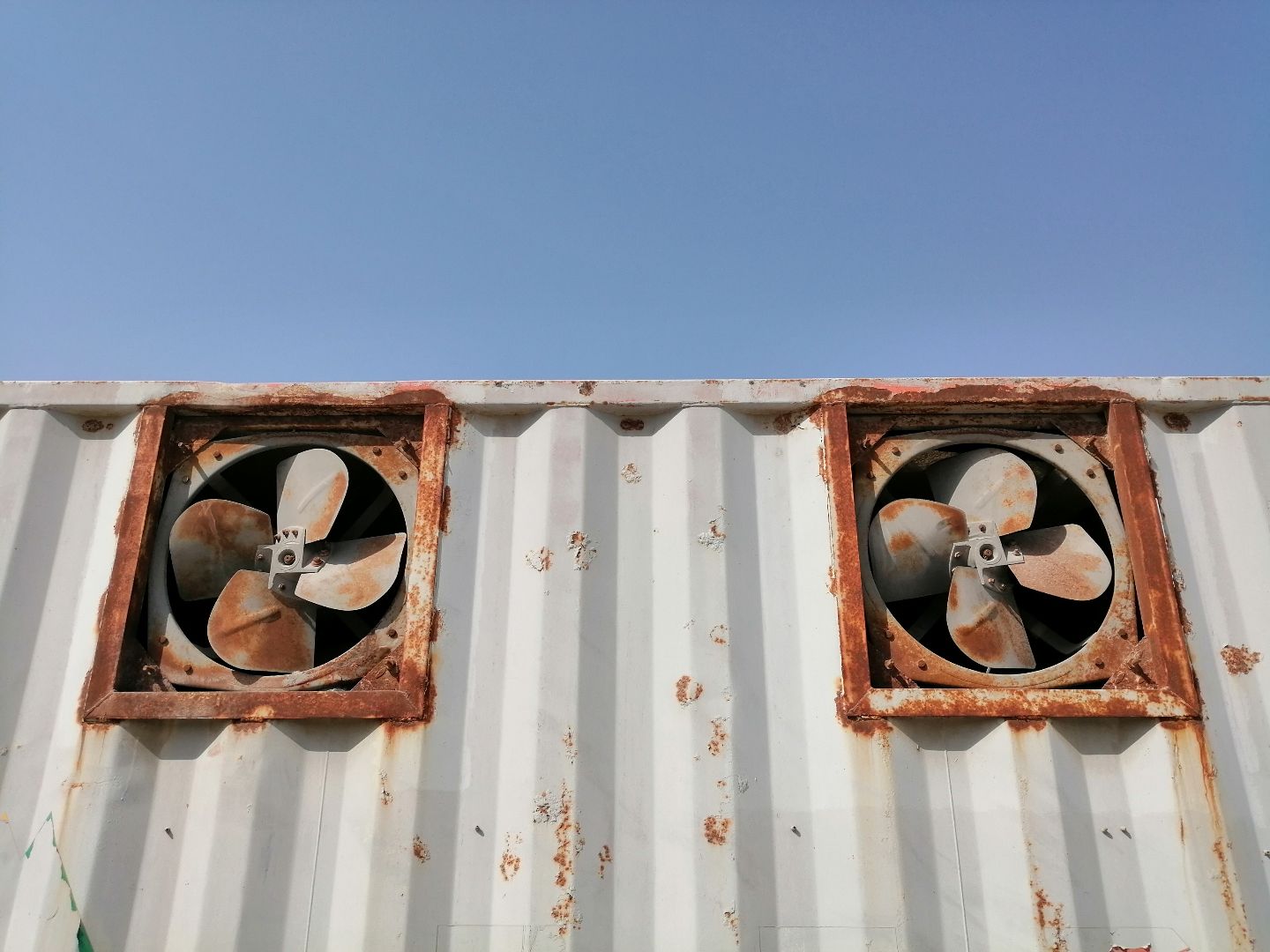
Surface rust on Corten steel is normal and cosmetic. Flaking or bubbling rust that penetrates through the steel panel is a structural concern. Probe suspect areas with a screwdriver to check for rust-through.
New vs Used Storage Containers: Cost Comparison
20ft Container Pricing
| Condition | Typical Price Range ($) |
|---|---|
| New (factory-fresh) | $4,500 – $8,000 |
| One-trip | $3,500 – $6,500 |
| Used - Cargo-Worthy | $3,000 – $5,500 |
| Used - Wind-and-Watertight | $2,500 – $4,500 |
| Used - As-Is | $1,500 – $3,000 |
| Condition | Typical Price Range ($) |
|---|---|
| New (factory-fresh) | $6,500 – $12,000 |
| One-trip | $5,500 – $9,500 |
| Used - Cargo-Worthy | $4,500 – $8,500 |
| Used - Wind-and-Watertight | $4,000 – $7,500 |
| Used - As-Is | $2,500 – $5,000 |
Prices vary with regional supply, steel markets, and port proximity. Browse our current used containers for sale for live inventory and pricing.
The Value Case for Used
At the WWT grade, a used 20ft storage container costs approximately 40–55% less than a new unit while delivering the same core function: a weatherproof, secure steel box for your on-site storage needs. For buyers with a straightforward storage application and no requirement for pristine cosmetic condition, used WWT containers represent strong value.
When to Buy New vs Used
Buy New When:
• You need maximum lifespan - new containers offer the full 25+ year service life from day one
• You are making significant modifications - cutting doors, adding windows, installing HVAC, or converting to a workspace is cleaner on a new unit with no prior damage or repairs to work around
• Cargo sensitivity requires pristine condition - food-grade, pharmaceutical, or high-value electronics storage where any contamination risk is unacceptable
• Appearance matters - client-facing locations, retail environments, or sites where a clean exterior reflects on your business
• You want the longest resale horizon - new containers command better resale values over a longer period
Buy Used When:
• Budget is the primary driver - used WWT containers deliver 80–90% of new container performance at 40–55% of the cost
• You need storage quickly - used containers are widely available and can often be delivered faster than new units
• The application is straightforward - general tool storage, material staging, inventory overflow, and document archiving do not require a new container condition
• You plan a buy-and-sell strategy - a lower purchase price improves your margin when reselling after the project.
• You are buying multiple units - the per-unit savings on used containers compound significantly at scale
I Want to Buy a Shipping Container: Where to Start
If you have decided to buy a shipping container and are ready to move forward, here are the practical steps:
Step 1: Determine your size.
A 20ft container suits most small-to-mid storage needs. A 40ft container delivers nearly double the volume for approximately 50–60% more cost.
Step 2: Choose your grade.
For most storage applications, a wind-and water-tight used container is the right balance of condition and cost. If the condition is critical, step up to one-trip or cargo-worthy. If budget is the primary concern and you can inspect before purchase, as-is units offer the lowest entry point.
Step 3: Confirm site access and delivery logistics.
Containers are delivered by tilt-bed or flatbed truck. Measure your access route. 20ft containers require approximately 50 feet of clear approach; 40ft units need 80+ feet. Confirm ground conditions: the delivery surface should be level and firm enough to support the truck.
Step 4: Inspect before accepting delivery. For used containers, inspect the unit before signing off on delivery. Check the roof, floor, doors, seals, and interior as outlined above.
Step 5: Request a quote. Container pricing varies by location, size, grade, and current inventory. Request a quote from Mobile Modular Containers to get current pricing for your area and specifications.
Used Storage Containers: Common Applications
| Application | Recommended Grade | Notes |
|---|---|---|
| Construction site tool storage | WWT | Durable enough for active sites |
| Retail and e-commerce inventory overflow | WWT or One-trip | Clean interior preferred |
| Document and archive storage | WWT | Weatherproofing is critical |
| Agricultural equipment and supply storage | WWT or As-Is | Appearance secondary |
| Food and beverage storage | One-trip or New | Contamination risk requires a clean prior use |
| On-site office conversion | One-trip or New | Cleaner starting point for modifications |
| Emergency and disaster relief staging | WWT or As-Is | Speed and availability prioritized |
| Event and exhibition storage | One-trip | Presentable exterior preferred |
For workspace rather than storage, explore our office containers, purpose-built container offices in 10ft, 14ft, 20ft, and 40ft configurations with insulation, electrical, HVAC, and finished interiors already installed.
Find the Right Container for Your Project
Mobile Modular Containers offers used shipping containers for sale alongside new and one-trip units in 10ft, 20ft, 24ft, and 40ft sizes with nationwide delivery across 28+ states.
Whether you need a wind-and-watertight used storage container for a construction site or a one-trip unit for a clean office conversion, our team helps you match the right grade and size to your project and budget.
Request a quote or call 866-858-5351 to discuss your requirements.
Frequently Asked Questions
Are used storage containers worth buying?
Yes. Wind-and-watertight used storage containers are structurally sound, weather-sealed, and suitable for most storage applications at 40–60% less than new container prices. They are the most popular option for buyers who need reliable storage without paying a new-container premium.
What are the grades of used shipping containers?
What should I inspect when buying a used shipping container?
How much does a used storage container cost?
What is the difference between a used cargo container and a used storage container?
How long do used shipping containers last?
What is a one-trip container?
Related Blogs