

October 29, 2026
How to Insulate a Shipping Container Choose a Method That Fits Your Use
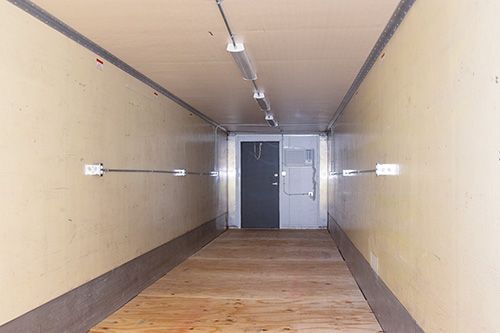
To insulate a shipping container, start by fixing leaks and corrosion. Then choose a complete insulation system for the intended use and climate, including air sealing, moisture control, and a protective interior finish. For a rental, compare a ready-made insulated container before planning modifications. If your products must stay within a specific temperature range, you may need active refrigeration instead of insulation alone.
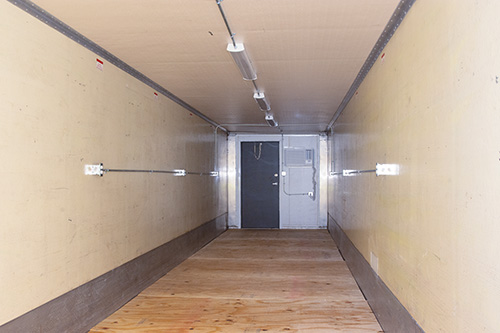
Mobile Modular Portable Storage’s insulated versus refrigerated guide offers a comparison of 20-foot and 40-foot insulated containers with plywood floors. That offers a practical alternative to buying materials and arranging the entire fit-out yourself.
Insulation slows heat transfer, but it does not actively cool the space or maintain a precise temperature. Before buying materials, compare the time and cost of modifying a purchased container with a ready-made insulated or office container.
Before installation collect the information you need
Gather the container dimensions, intended use, storage requirements, local climate, and any required alteration approval. Measure the door opening as well as the interior. Document water stains, damaged seals, corrosion, and existing linings, and repair those issues before installing insulation.
How to insulate a shipping container installation sequence
-
Repair and prepare the enclosure. Resolve water entry and damaged surfaces. Prepare steel or framing as required by the chosen insulation product.
-
Choose the complete assembly. Specify the exact insulation product, installed thickness, attachment, air sealing, moisture details and protective lining. Use the product manufacturer’s installation instructions. A material category is not a finished design.
- Plan services and clear space. Mark electrical, ventilation and HVAC routes before lining the walls. Include framing and finishes when checking the final width and height.
- Install the selected system. Follow the approved product instructions for panel attachment, batt fit, or foam application. Have a qualified installer complete specialist work and keep the work area controlled.
- Complete joints and penetrations. Check the specified treatment around doors, roof junctions, services and framing, so gaps do not undermine the assembly.
- Fit the required protective finish and check the result. Follow curing and re-entry instructions, verify door operation and clearances, and test any heating, cooling or ventilation equipment before normal use.
Before using the container, obtain the finished assembly’s product details and handover instructions from the installer.
If you rent the container, get the provider's approval before altering it. For a purchased container, confirm condition and dimensions before committing a conversion.
Compare spray foam rigid panels and blanket insulation
The Department of Energy's insulation guidance describes the roles of fiber insulation, foam products and reflective systems. The comparison below applies those material choices to the questions a container owner should discuss with an installer. It is a selection guide, not a universal wall specification.
| Method | Why people consider it | What the plan must address |
|---|---|---|
| Spray foam | Can follow corrugated surfaces and combine insulation with air sealing | Product-specific thickness, adhesion, moisture behavior, worker protection, curing and required finishes |
| Rigid insulation panels | A defined thickness and an assembly that can work with interior framing | Seams, attachment, gaps at corrugations, condensation behind panels and protection of exposed foam |
| Blanket or batt insulation | Fits framed cavities and may suit a planned interior wall system | Air sealing, moisture control, compression, gaps and retaining the material in position |
| Reflective system or radiant barrier | Can reduce radiant heat transfer when properly arranged | Required adjacent air space and the rest of the insulation assembly |
Do not choose insulation by material name alone. Products in the same category can have different performance and installation requirements. Review the manufacturer’s data for the exact product, including thermal resistance, approved uses, and required coverings.
Set the temperature requirement first
A workspace used throughout the day has different requirements from a container that holds packaged equipment. If stored products must stay within a defined temperature range, account for outdoor conditions, door openings, and the heating or cooling equipment needed to maintain it.
For active cooling, compare refrigerated containers. For reduced heat transfer without refrigeration, review insulated containers. Confirm the configuration and local availability with Mobile Modular Portable Storage before ordering.
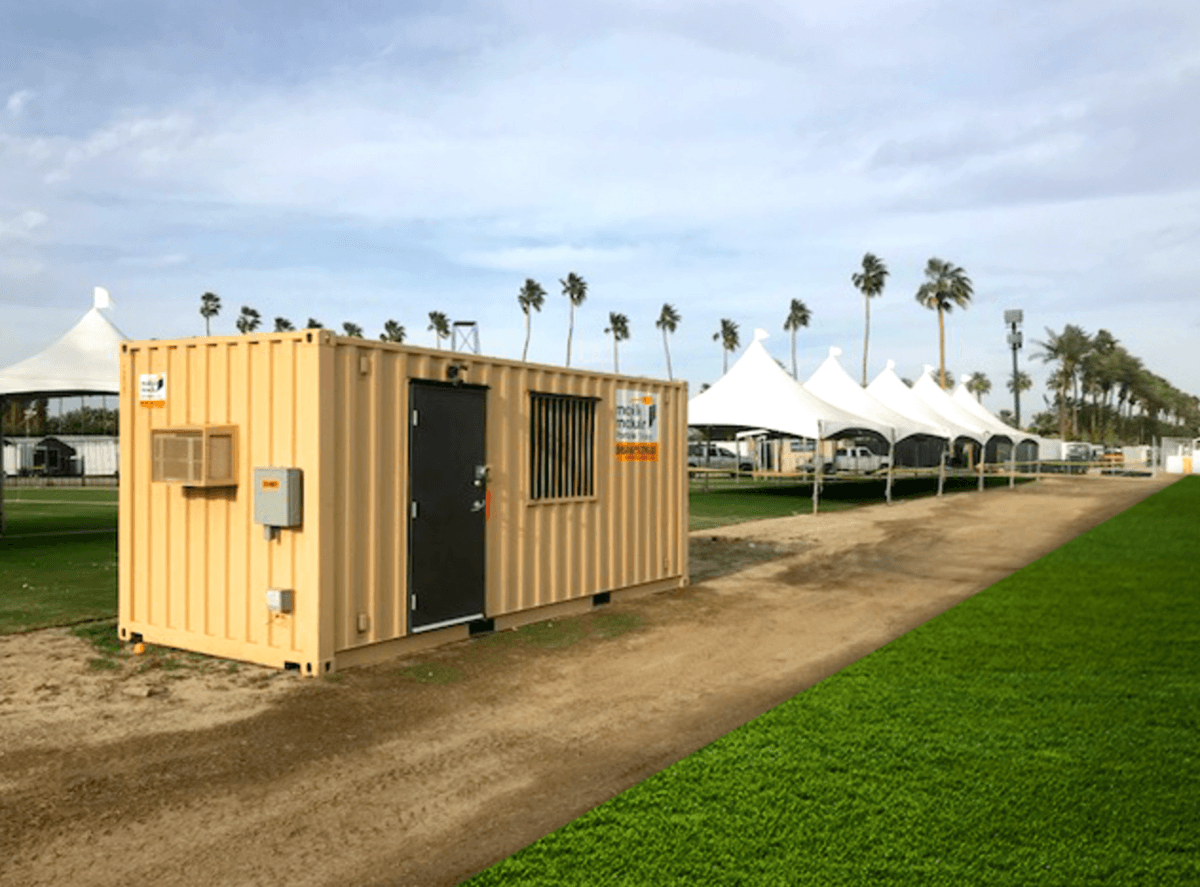
If people need a finished workspace, compare purpose-built office containers before planning to convert a bare storage container. That lets you discuss the workspace, electrical supply and available heating or cooling together.
Need a container without arranging the whole conversion yourself? Request a quote describing the contents, target conditions, and delivery location.
Treat moisture control as part of the assembly
Moisture can come from leaks, damp content, or condensation. Insulation will not repair a leaking roof or dry wet materials, so identify and correct the source before covering the steel.
When warm, moist air contacts a colder surface; condensation can form. The installer should account for air leakage, climate, door openings, and the moisture behavior of the chosen materials. Adding a vapor-resistant layer in the wrong place can create another problem, so avoid a universal instruction to put plastic behind every lining.
Keep ventilation and mechanical systems in the discussion. Read the heating and cooling guide for equipment choices and the container moisture guide for storage practices. These are related decisions, but they are not interchangeable fixes.
Measure the finished interior not the bare steel
Insulation, framing, and wall finishes reduce usable interior space. Compare the finished dimensions with your largest stored item or furniture layout and include the door opening and maneuvering room in your plan.
Use a simple scope sheet when comparing installation proposals:
| Ask the installer to describe | Why it matters |
|---|---|
| Product and installed thickness | Shows what is actually being supplied |
| Air sealing and moisture details | Explains how gaps and condensation risks are addressed |
| Wall, roof, floor and door treatment | Identifies areas included or omitted |
| Interior covering and clearances | Shows the finished usable space and required protection |
| Services and penetrations | Coordinates electrical, ventilation and HVAC work |
| Cure, access and handover instructions | Establishes when the space can be used and how it is maintained |
Use a specialist for spray foam application
OSHA identifies chemical and fire hazards associated with spray polyurethane foam. Application needs a suitable work plan, ventilation, and protective measures. A confined steel interior is not a reason to improvise equipment or ignore the manufacturer's instructions.
Ask the installer how the work area will be controlled, how other people will be kept out during application, and when it can be re-entered. Discuss any required lining or fire protection for the completed use with the appropriate professional.
Questions about shipping container insulation
What is the best insulation for a shipping container?
For an irregular steel surface, ask an installer to compare a suitable spray-foam assembly with rigid panels and their sealing details. For a framed interior, compare panels or batts within the complete wall system. Choose the proposal that specifies moisture control, finished dimensions, and required protection. Material name alone is insufficient.
Will insulation keep a container cold without electricity?
It slows heat transfer but does not provide active cooling. If stored products require a maintained temperature, discuss refrigerated storage and the required power supply.
Can I insulate only the walls?
That leaves other parts of the enclosure untreated. Ask the installer to explain how the roof, floor, doors and gaps affect the planned result and make clear which surfaces the quote includes.
Should I insulate before selecting an air conditioner?
Plan the finished enclosure before sizing heating or cooling equipment. A qualified HVAC professional can use the actual dimensions, insulation assembly, climate and use to assess the load.
Portable Storage offers insulated, refrigerated and office container options for different applications. Request a quote to compare a suitable available container with the time and work involved in a conversion.
Related Blogs