

October 29, 2026
Shipping Container Floors Materials Load Limits and Repairs
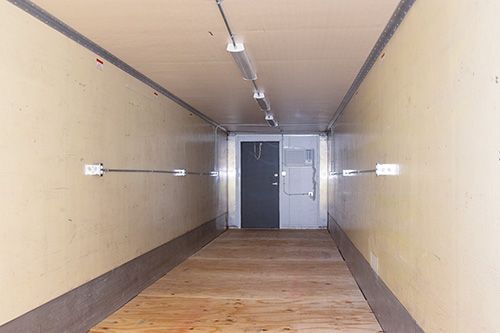
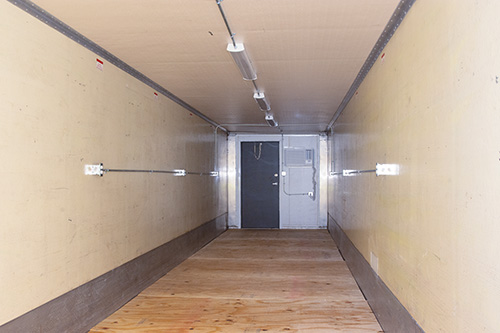
Many dry shipping containers use wood or plywood flooring supported by steel crossmembers. A sound floor may work for ordinary packaged materials, but concentrated loads require a closer review. Before bringing in a forklift, machine, or other heavy equipment, confirm the floor condition, container rating, and loading method. Floor material alone does not determine what the container can safely support.
Mobile Modular Portable Storage offers insulated containers with plywood floors and refrigerated containers with stainless steel and aluminum interiors. Compare insulated and refrigerated containers to match the interior to what you need to store.
What is a shipping container floor made of
Many dry storage containers use wood or plywood flooring supported by steel crossmembers. Other configurations use different finishes. Check the floor material and condition in the container you are considering. For temperature-sensitive goods, compare the insulated and refrigerated options as well as the floor finish.
| Floor or finish | What to check before use |
|---|---|
| Wood or plywood dry-container floor | Soft areas, delamination, splits, stains, odor and damage at the doorway |
| Finished office-container floor | Surface condition, the transition at the entrance and suitability for your workspace |
| Refrigerated-container floor | Condition, cleanability and the manufacturer's required airflow path |
| Added coating or overlay | Compatibility, adhesion, slip resistance and the condition underneath |
A sound dry-container floor may be suitable for ordinary tools and packaged materials. If you plan to store food, chemicals, medical products, or use the space as an occupied area, explain the application before selecting a container. A clean appearance alone does not confirm suitability for sensitive use.
How much weight can a shipping container floor hold
Start with the rated payload for the specific container, then consider how the load will contact the floor. A broad stack of cartons distributes weight differently from a machine on small feet or a forklift carrying a pallet.
Shipping operators publish loading instructions for their equipment. For example, Hapag-Lloyd's container packing guidance treats load distribution and floor loading separately from gross container weight. Those fleet instructions are not a floor rating for a Portable Storage container. Ask the provider for the limits applicable to your actual container and loading method.
Before loading heavy equipment, provide:
- Its total weight, including attachments or contents.
- The size and position of wheels, feet or other contact points.
- The weight of the handling equipment and its carried load.
- How the equipment will cross the doorway and move inside.
- Whether it will remain in one position or move frequently.
Do not divide payload by floor area and treat the result as permission to place that weight anywhere. The floor, supports, handling route and condition still matter. The shipping container weight guide explains the difference between tare, payload and gross weight.
Inspect the floor before loading your materials
Inspect the empty container in daylight or with adequate lighting before loading. Use these checks:
- Photograph the threshold and the full visible floor before accepting the container.
- Look for holes, loose panels, soft areas, separated layers and water stains. Keep off any suspect area.
- Check the route from the doorway to the intended equipment position, including any repaired section.
- Ask the provider to explain visible coatings, overlays and previous repairs. A new surface can hide old damage.
- Record defects with the provider and resolve acceptance or repair arrangements before loading.
Use the container for ordinary storage only after confirming that the floor is in sound condition for the planned load. If you find a hole, soft area, unknown residue, or unexplained damage, request an assessment or a different container before loading.
An unexplained smell or residue deserves a separate conversation about prior use and cleaning. A new coating can cover a stain without identifying its source. If your planned use depends on hygienic storage, ask what documentation and treatment apply to that container.
For rentals, report damage to the provider before doing any work. Cutting, drilling, sanding, coating or replacing a floor may require permission and can change the return condition.
Need dependable storage for your inventory? Compare 20-foot storage containers and 40-foot storage containers, then request a quote with the floor requirements and loading details.
Repair replace or choose a different container
The right repair depends on the cause and extent of the damage. Surface wear, a damaged panel, and a weakened crossmember require different solutions. Have the provider or a qualified repair specialist assess the area before deciding whether to patch, replace a panel, or replace the floor system.
| Observation | Useful next question |
|---|---|
| Local surface wear | Is the underlying panel sound, and what repair is suitable? |
| Softness or separated layers | How far does the damage extend beneath the visible surface? |
| Damage near the door | Will the repair support the planned loading route? |
| Persistent moisture | Where is water entering, and is the cause being repaired? |
| Odor, residue or unknown coating | What is known about previous use and treatment? |
Ask for the repair scope and finished condition in writing. If the container holds expensive materials immediately, choosing a sound container can be more practical than arranging repairs after delivery.
What to record for a floor loading check
Record the machine weight, contact points and loading equipment separately. If the weight is evenly carried by identical feet, the average per foot is total weight ÷ number of feet. That calculation describes average contact load. It does not establish a permissible floor limit, and unequal support can change the actual load. Give the provider the contact dimensions as well as the weight so it can assess the actual equipment and container.
Choosing a floor coating
Choose a coating that is compatible with the floor material and the work performed inside the container. Discuss cleaning products, moisture, foot traffic, wheeled equipment, and slip resistance with the manufacturer or installer, then follow the required preparation, application, and curing instructions.
A coating is a surface treatment. It does not increase the container's payload rating or repair a weakened support. An overlay can also reduce available door clearance and hide damage, so include its thickness and weight in the plan.
Questions about shipping container flooring
Can I drive a forklift into a storage container?
Confirm the actual floor rating, equipment axle loads, doorway clearance and entry arrangement with the provider first. The container's overall payload rating alone does not establish that a particular forklift can enter safely.
Can I replace the floor in a rented container?
Contact the rental provider before making alterations. It can explain repair responsibilities, approved work, and the condition required when the container is returned.
Does a fresh floor coating make a used container suitable for food storage?
No single coating establishes that. Suitability depends on the cargo, prior use, cleaning requirements, and the materials in the container. Explain your application to the provider and follow your product's storage requirements.
Should floor condition affect a buying decision?
Yes. Consider the repair scope alongside the purchase price, delivery and intended use. Read the new versus used container guide, and compare the actual condition records of containers available for sale.
Portable Storage can help you identify an available container for your loading and storage needs. Request a quote with your inventory, handling equipment and floor requirements.
Related Blogs